Vendor Record-Keeping Sequences and Their Role in Transfer Protocols for Short-Term Sellers Across Borders
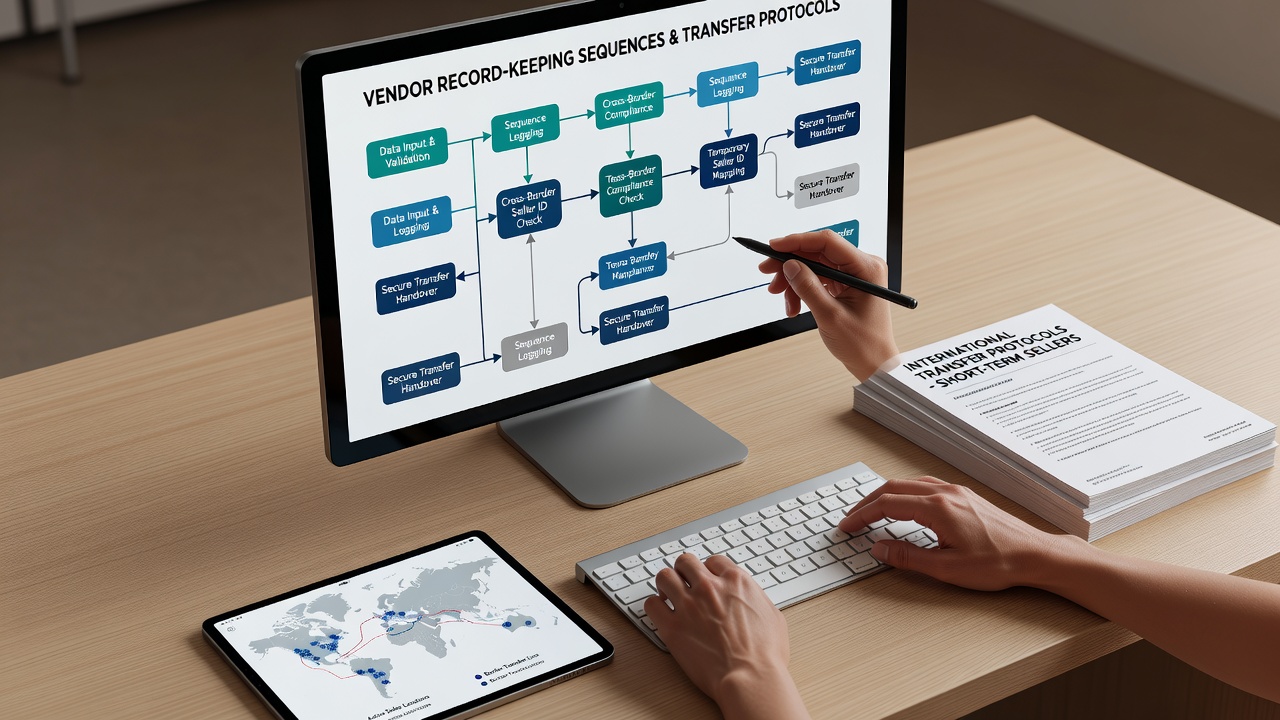
Short-term sellers operating across borders rely on structured record-keeping sequences to handle payment transfers efficiently while meeting regulatory demands in multiple jurisdictions. These sequences involve systematic logging of transaction details, vendor identifiers, and timing markers that feed directly into transfer protocols used by payment processors. Data from industry reports shows that such sequences help maintain audit trails when funds move between countries during temporary sales events like seasonal markets or pop-up events.
Core Elements of Record-Keeping Sequences
Vendors document each sale through timestamped entries that capture item descriptions, amounts, currency types, and buyer locations before initiating any transfer. These entries create a sequential chain that processors reference during fund movement to verify compliance with local tax and reporting rules. Observers note that the sequence typically starts with initial transaction capture at the point of sale, moves through validation steps, and concludes with archived records stored for set retention periods mandated by different regions.
Transfer protocols integrate these records by pulling specific fields such as vendor registration numbers and cross-border indicators to trigger automated checks. Research indicates that missing or out-of-order entries in the sequence often delay fund releases because processors require complete documentation before authorizing international movements. Short-term sellers who maintain digital logs aligned with these protocols experience fewer interruptions when shifting between markets in the European Union and North American regions.
Integration with Cross-Border Transfer Mechanisms
Payment processors embed record sequences into their transfer workflows through standardized data formats that include unique sequence identifiers for each vendor activity. This integration allows real-time matching of sales logs against incoming transfer requests, which reduces mismatches during currency conversions. According to guidelines from the European Central Bank, accurate sequencing supports the verification processes that banks apply when handling payments originating from temporary commercial activities in multiple member states.
Short-term sellers frequently encounter varying retention requirements, with some jurisdictions demanding records remain accessible for five years while others specify shorter windows tied to specific transaction volumes. The sequences adapt by tagging entries with jurisdiction codes that inform processors which rules apply to each transfer batch. Figures from regulatory filings reveal that properly sequenced records help vendors meet these varied demands without separate systems for each country involved in their operations.
Practical Applications in Temporary Market Settings
One documented case involved vendors at an international trade fair who used mobile logging tools to build record sequences that synced directly with their chosen payment gateway. The sequences captured daily sales aggregates along with individual transaction flags for cross-border elements, enabling smooth fund transfers back to home accounts within standard processing windows. Processors involved reported that these structured logs allowed faster clearance compared to vendors relying on manual spreadsheets.

Another instance highlighted sellers participating in rotating craft markets spanning Canada and the United States who aligned their record sequences with updated transfer protocols effective in early 2026. These alignments included adding fields for updated reporting identifiers required under evolving trade agreements, which prevented holds on transfers during peak activity periods. Bank of Canada analyses of similar operations confirm that such preparatory sequencing supports consistent cash flow for participants who operate only during limited seasonal windows.
Regulatory Influences on Sequence Design
Regulatory bodies across regions impose specific formatting on record sequences to ensure they interface correctly with international transfer systems. The Australian Securities and Investments Commission outlines requirements for including anti-money laundering markers within vendor logs that affect how processors route funds from temporary sales events. These markers become part of the sequence so that transfers trigger appropriate screening without manual intervention each time.
Updates scheduled for June 2026 in several Asia-Pacific frameworks will introduce new data points related to digital payment origins that vendors must incorporate into their sequences. Sellers who test these additions in advance through pilot transfers report smoother adoption when the changes take effect. Industry organizations tracking these developments note that sequence modifications often involve collaboration between vendors, processors, and local authorities to maintain compatibility across borders.
Conclusion
Vendor record-keeping sequences serve as foundational components within transfer protocols that support short-term sellers navigating cross-border activities. Their structured approach to documentation enables compliance, reduces processing delays, and accommodates the diverse regulatory landscapes encountered during temporary operations. Continued alignment with upcoming regulatory shifts will determine how effectively these sequences evolve alongside payment technologies in global markets.