Tokenization Techniques for Safeguarding Subscription Data in Mobile Payment Environments
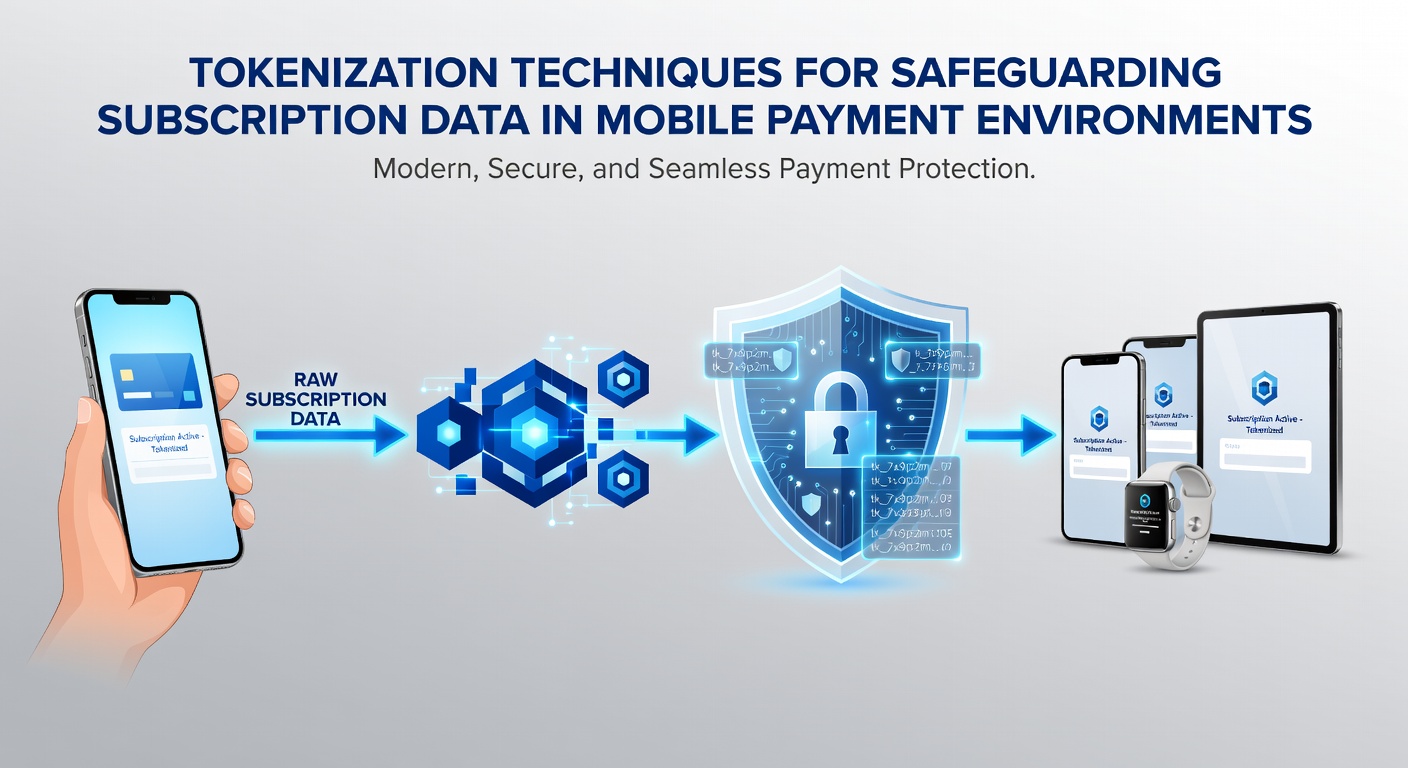
Subscription services on mobile devices continue to expand rapidly, and payment processors rely on tokenization to protect recurring billing information without exposing actual card numbers. Researchers note that tokenization replaces sensitive payment credentials with unique identifiers known as tokens, which hold no intrinsic value if intercepted. This process occurs at multiple layers, from device-level encryption through network-level mapping, and supports seamless renewals while meeting compliance standards set by the PCI Security Standards Council.
How Tokenization Operates in Recurring Mobile Transactions
Developers integrate tokenization during the initial checkout flow on mobile apps, where a payment gateway generates a token after the cardholder enters details. The actual primary account number travels to a secure vault managed by the processor or card network, and the token returns to the merchant server for storage. Subsequent subscription charges reference only the token, so card data never re-enters the merchant environment. Observers have documented that this separation reduces the scope of PCI DSS audits because merchants no longer retain cardholder data after the first transaction.
Network Tokenization Versus Vault-Based Approaches
Card networks such as Visa and Mastercard operate their own token services that bind tokens directly to device identifiers or merchant profiles. These network tokens allow issuers to perform real-time updates when cards expire or get reissued, which keeps subscription payments uninterrupted. Vault-based systems, managed by payment service providers, store the mapping in dedicated hardware security modules and support custom token formats tailored to specific mobile platforms. Data from industry reports indicate that network tokens now handle a growing share of mobile recurring volume because they enable issuers to push updated credentials without merchant intervention.
Integration with Mobile Wallet Ecosystems
Apple Pay and Google Pay embed tokenization at the hardware level through secure elements or trusted execution environments on smartphones. When users add a card to a wallet, the device provisions a device-specific token that merchants and acquirers use for subscription authorizations. This approach limits exposure because the actual card number never leaves the secure enclave during authorization requests. Studies from payment research groups show that wallet-based tokenization has reduced fraud rates on recurring mobile transactions compared with traditional card-on-file methods.
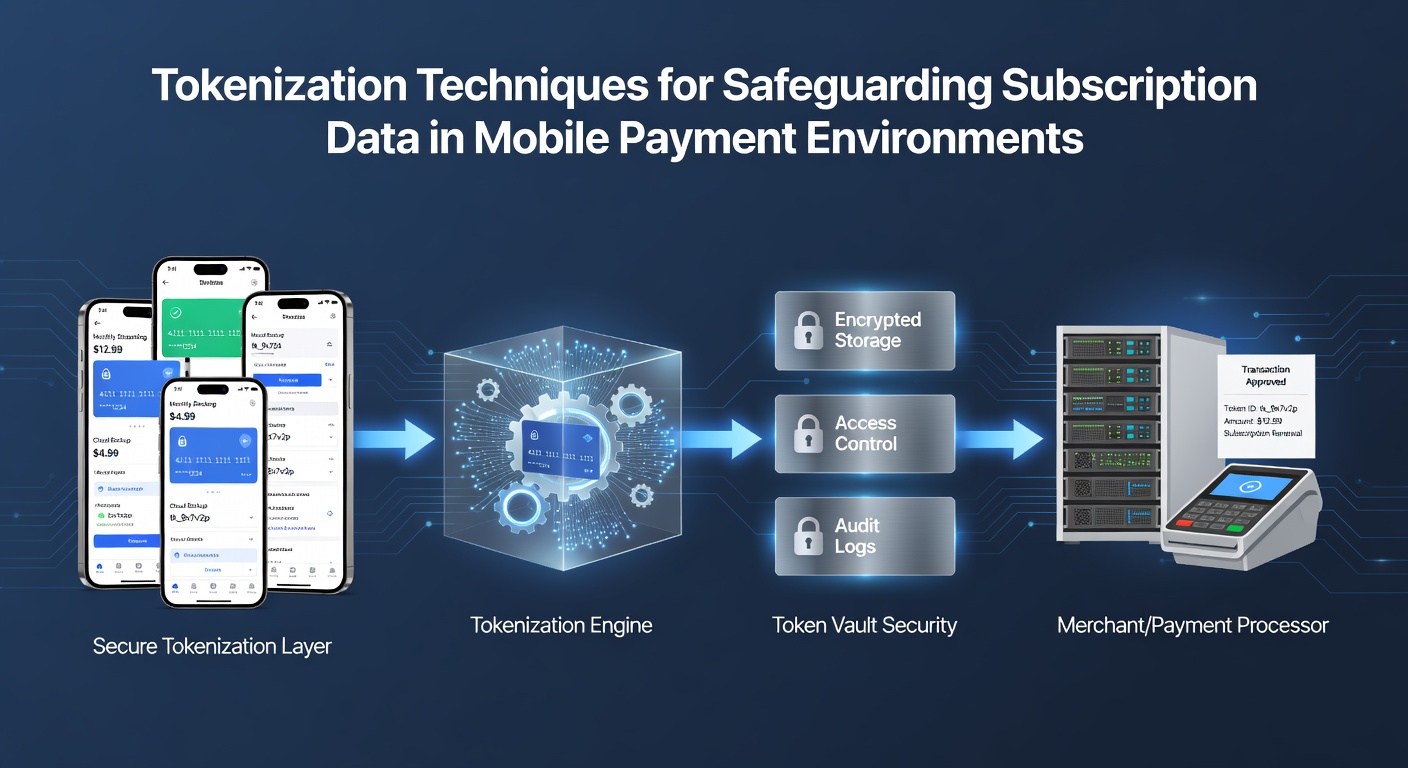
Payment gateways now combine these wallet tokens with additional merchant-generated tokens for backend subscription management. The dual-token model allows platforms to maintain separate identifiers for user-facing charges and internal reconciliation, which strengthens audit trails without increasing data storage risk.
Format-Preserving and Stateless Tokenization Methods
Some environments require tokens that retain the same length and character set as original card numbers to minimize changes in legacy billing software. Format-preserving encryption achieves this by applying cryptographic algorithms that produce tokens matching the PAN structure while remaining irreversible without the key. Stateless tokenization techniques generate tokens algorithmically on demand rather than storing mappings, which eliminates the need for a central vault and reduces single points of failure. Researchers have published evaluations showing that stateless methods perform well in high-volume subscription platforms where latency must stay below 200 milliseconds per authorization.
Regulatory Compliance and Data Residency Considerations
Tokenization supports adherence to regulations such as the European Union's payment services framework and data protection rules by keeping sensitive card data outside merchant databases. Service providers often locate token vaults in jurisdictions that match the cardholder's region to satisfy residency requirements. According to guidelines from the U.S. National Institute of Standards and Technology, tokenization qualifies as a compensating control when implemented with strong key management and access logging. Payment processors document these controls during annual assessments to maintain certification.
Performance Metrics and Adoption Trends Through 2026
Industry measurements collected in early 2026 indicate that merchants using network tokenization for mobile subscriptions report authorization approval rates several percentage points higher than those relying solely on stored credentials. The improvement stems from automatic card updates and reduced declines caused by expired accounts. Processors also record lower chargeback volumes because token-based systems facilitate quicker issuer identification during disputes. These figures appear in aggregated reports released by global card networks and regional payment associations.
Implementation Challenges and Mitigation Strategies
Legacy billing platforms sometimes require extensive code changes to handle token lifecycles, including token rotation after re-issuance events. Developers address this by adopting middleware layers that translate between token formats and existing subscription logic. Key rotation schedules must align with both security policies and operational windows to avoid service interruptions during high-volume renewal periods. Testing environments replicate production token flows so teams can validate failover procedures before deployment.
Conclusion
Tokenization techniques continue to evolve alongside mobile payment infrastructure, offering layered protection for subscription data through network services, vault systems, and hardware-bound wallet tokens. Organizations that combine these methods with proper key management and compliance documentation achieve reduced exposure while supporting uninterrupted recurring billing across regions. Ongoing measurements through 2026 confirm that adoption correlates with improved approval rates and streamlined regulatory alignment.