Shifting Checkout Dynamics in Niche Retail: How Unified Data Streams Minimize Errors During Seasonal Spikes While Maintaining Security Layers
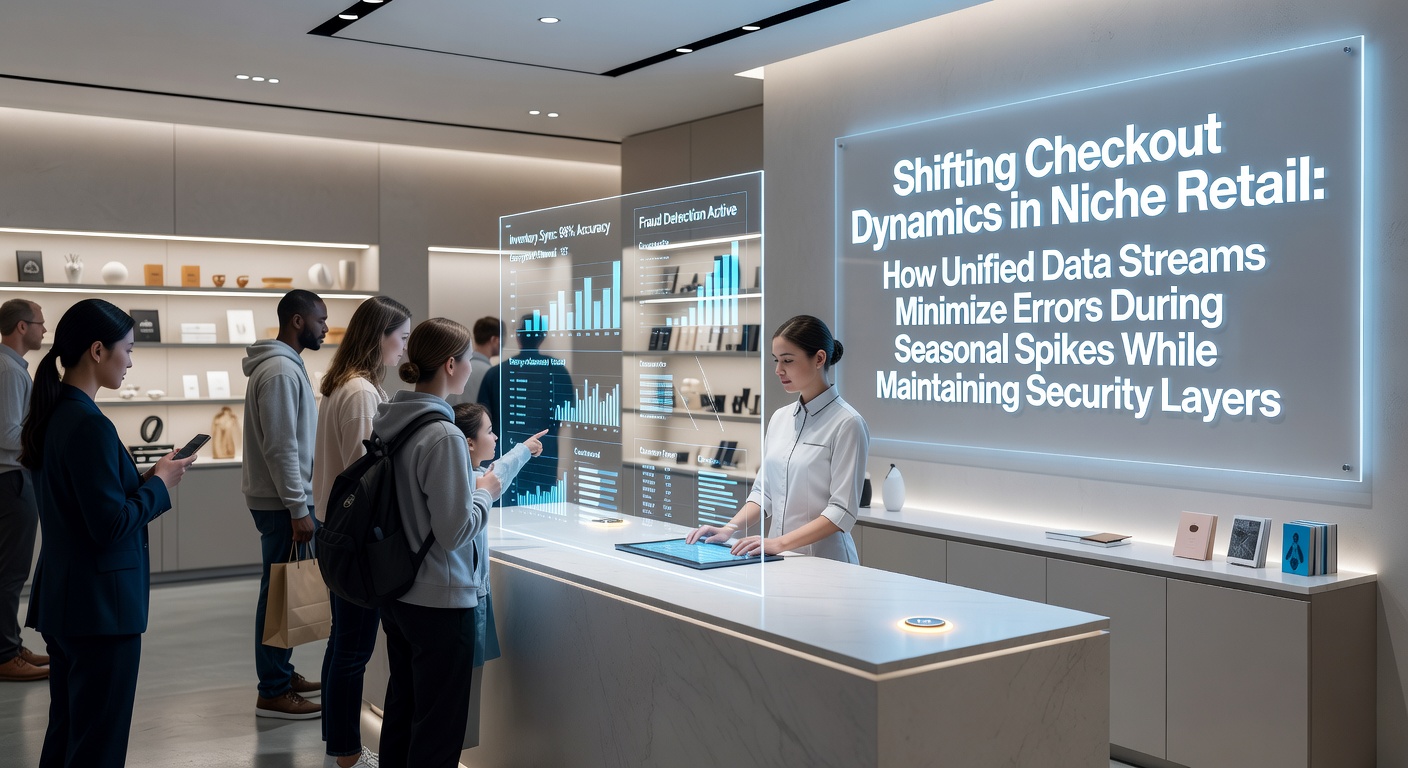 Retailers in specialized markets such as artisanal foods, outdoor equipment, and independent bookstores face distinct pressures when customer demand surges during holiday periods or promotional events. These spikes often strain traditional checkout processes that rely on disconnected systems for inventory, sales records, and customer profiles. Unified data streams address this by consolidating information from multiple sources into a single accessible flow, which allows staff to verify stock levels and process orders without the mismatches that lead to canceled transactions or oversold items. Observers note that niche operations typically lack the extensive IT infrastructure of larger chains yet still encounter comparable volume increases. When data remains siloed across point-of-sale terminals, e-commerce platforms, and warehouse logs, seasonal rushes amplify discrepancies such as delayed stock updates or duplicate entries. Centralized streams pull these elements together so that an order placed online immediately reflects in physical store availability and triggers accurate fulfillment steps.
Seasonal Demand Patterns in Specialized Retail
Data from various trade reports highlights how niche segments experience concentrated activity around specific times of year. Back-to-school periods drive purchases in educational hobby supplies while summer months boost sales for recreational gear. These patterns create short windows of intense transaction activity that test the limits of fragmented record-keeping.
Take one outdoor apparel retailer who tracked sales across three separate channels during a spring promotion cycle. Without unified streams the operation recorded multiple instances where online orders depleted in-store reserves that staff had not yet updated manually. Integration of live feeds corrected this by synchronizing counts in real time and cutting fulfillment errors by measurable margins.
Mechanics of Unified Data Integration
Unified streams operate through application programming interfaces that link existing software rather than requiring complete system replacements. Transaction details, inventory counts, and customer preferences move continuously between platforms so that checkout personnel access a consistent view regardless of the sales channel involved. This setup proves especially useful when temporary staff join during peak weeks because the interface presents standardized information without extensive retraining.Security protocols remain embedded within these streams through encryption standards and access controls that limit visibility based on user roles. Payment card industry guidelines require protection of sensitive details at every transfer point and unified systems apply tokenization or similar masking techniques to keep card numbers isolated from general databases. Compliance records show that properly configured streams maintain audit trails that satisfy regulatory reviews without slowing transaction speeds.
Error Reduction During Peak Periods
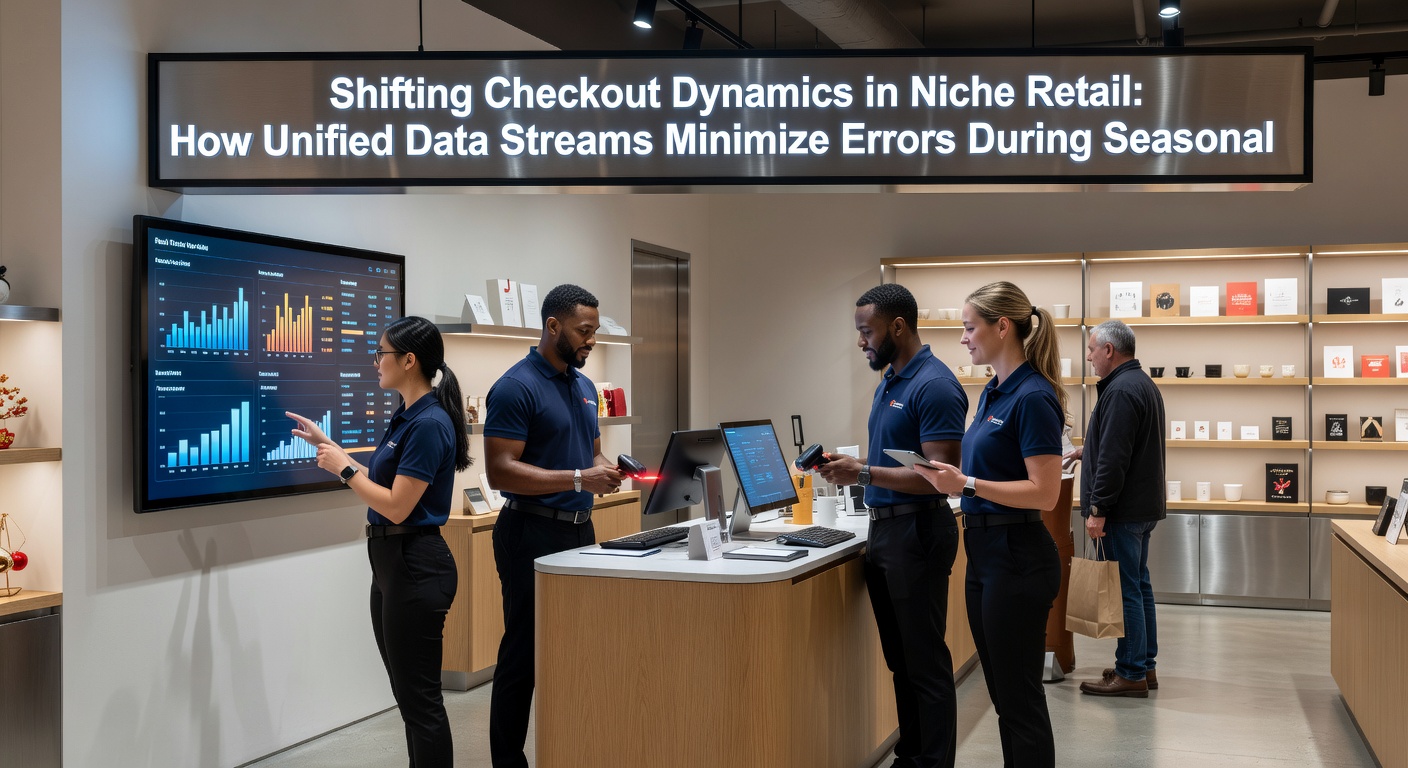
Research from industry monitoring groups indicates that unified data reduces common checkout mistakes such as incorrect pricing, stock discrepancies, and failed authorizations. When all sources feed into one stream an attempted purchase of an out-of-stock item triggers an immediate alert rather than a later refund process. This direct feedback loop shortens resolution times and preserves customer trust during high-pressure intervals.
Figures from the U.S. Census Bureau on retail sales volumes demonstrate that seasonal upticks can exceed average monthly figures by 30 percent or more in certain categories. Niche retailers who adopted consolidated data flows reported fewer instances of manual overrides that previously introduced human error. The continuous synchronization also supports accurate tax calculations across jurisdictions when orders ship to multiple regions.
Security Considerations Within Integrated Environments
Security layers in unified setups incorporate multi-factor authentication for staff logins and real-time monitoring for anomalous activity. These measures operate alongside data consolidation rather than as separate add-ons. Encryption covers data both in transit between systems and at rest within the central repository so that even if one access point faces compromise the broader network stays protected.Standards published by the National Institute of Standards and Technology outline recommended practices for retail data handling that align with unified stream architectures. Retailers reference these guidelines when configuring permission levels that allow seasonal workers to process sales without granting access to full financial histories. Regular testing of these controls ensures continued effectiveness as transaction volumes fluctuate.
Implementation Examples Across Regions
A Canadian specialty bookstore chain integrated its online catalog with in-store terminals ahead of a major literary festival. The resulting data stream prevented duplicate reservations for limited-edition titles and maintained compliance with provincial privacy requirements. Staff observed smoother handoffs between online inquiries and physical pickup without separate reconciliation steps at day's end.
Similar patterns appear in Australian independent retailers handling craft supply surges before holiday crafting seasons. Consolidated feeds allowed quick reallocation of popular items between locations while security features flagged unusual bulk orders that warranted review. These cases illustrate how the approach scales across different regulatory environments without requiring entirely new hardware investments.
Outlook Toward Mid-2026 Developments
Projections shared by retail technology analysts suggest continued refinement of stream protocols by May 2026 as more niche operators adopt cloud-based connectors. These updates aim to incorporate predictive alerts that anticipate stock shortfalls before they affect checkout queues. Security enhancements under discussion focus on automated compliance checks that align with evolving international data protection frameworks.
Conclusion
Unified data streams provide niche retailers with a practical method for handling seasonal volume increases while preserving the accuracy of checkout records and the integrity of security measures. By connecting inventory, sales, and customer information into continuous flows these systems address the specific error risks that arise during demand spikes. Retail operations that implement such integration maintain operational continuity and regulatory alignment across varying market conditions.