Reconciliation Processes Between Gateway Reports and Bank Statements for International Online Sellers
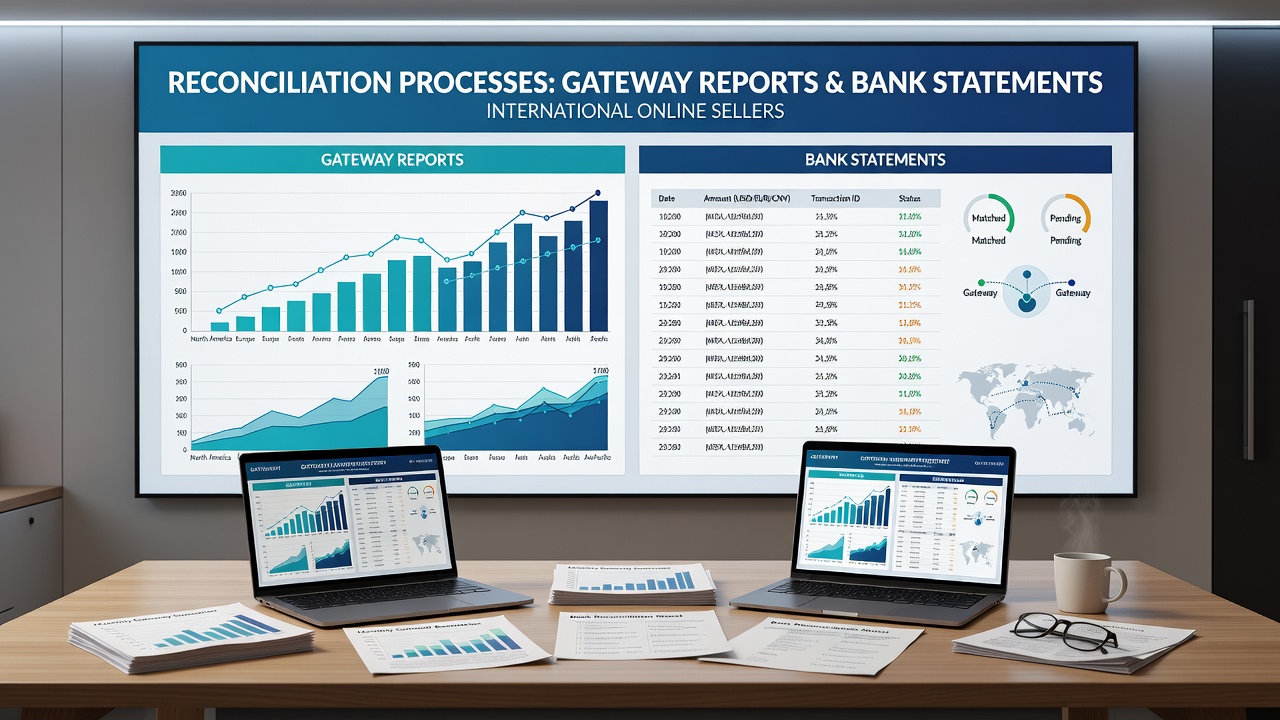
Reconciliation between payment gateway reports and bank statements forms a core operational task for international online sellers who process transactions across multiple currencies and regions, and this process requires matching transaction details, fees, and settlement amounts while accounting for timing differences that arise from global banking networks. Observers note that sellers must align daily gateway outputs with incoming bank deposits because discrepancies often stem from currency conversion rates, processor fees, and pending authorizations that settle on different schedules. Research from cross-border payment studies indicates that mismatches occur frequently when time zone variations delay bank postings by one or two business days compared to gateway records.
Core Components of the Reconciliation Workflow
Sellers begin by exporting transaction logs from their chosen gateway platforms which capture authorization codes, card types, and gross amounts before any deductions occur, then they compare these figures against bank statements that reflect net deposits after international wire fees and foreign exchange spreads have been applied. Data shows that automated matching software can flag variances exceeding a set threshold such as one percent of total volume, allowing finance teams to investigate specific entries without reviewing every line item manually. Those who have studied these sequences find that recurring issues include unreported chargebacks that appear on gateway reports but reach bank statements only after dispute resolution periods conclude.
Additional layers emerge when sellers operate in markets where local regulations mandate separate reporting for value-added taxes collected at checkout, and these amounts must reconcile independently from the principal sale figures. According to figures released by the Bank for International Settlements, cross-border e-commerce volumes continued expanding through 2025 and into June 2026, placing greater emphasis on precise reconciliation to maintain accurate tax filings across jurisdictions.
Handling Currency Fluctuations and Settlement Delays
International sellers frequently encounter situations where a transaction processed in euros appears on the gateway at one exchange rate yet settles in the seller's base currency at a different rate because banks apply mid-market adjustments at the moment of actual transfer. Experts have observed that maintaining a detailed log of daily spot rates alongside gateway timestamps helps isolate these variances from outright errors. The reality is that settlement delays stretch longer during holiday periods or when banks in certain regions observe additional closure days, requiring sellers to carry forward unmatched entries until the following reporting cycle.
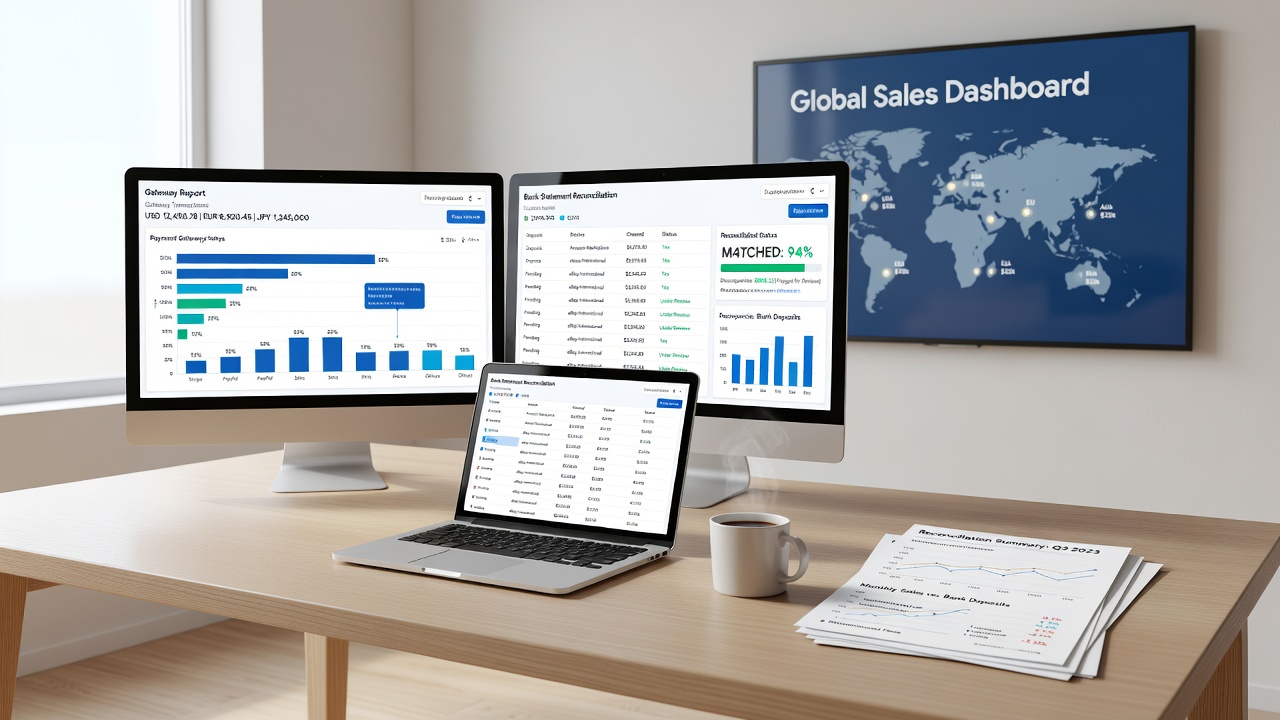
Take one finance team managing sales across North America, Europe, and Asia-Pacific markets which discovered that grouping entries by settlement batch rather than individual transaction date reduced the time spent chasing discrepancies by a measurable margin. Research indicates that such batch-level reconciliation aligns more closely with how banks group incoming wires, particularly when multiple gateways feed into a single merchant account.
Integration with Accounting Systems and Regulatory Requirements
Modern platforms allow direct imports of gateway CSV files into cloud accounting tools that automatically tag each line with the corresponding bank reference, yet manual overrides remain necessary when gateways apply promotional credits or loyalty adjustments not reflected in bank data. Studies from academic institutions focused on digital commerce have documented that sellers who implement daily rather than weekly reconciliation cycles experience fewer cumulative errors at month-end close. Those who've examined compliance frameworks note that accurate reconciliation supports adherence to reporting standards set by various monetary authorities including the European Central Bank and the Australian Securities and Investments Commission.
What's interesting is how sellers coordinate these processes with their tax advisors to ensure that foreign transaction fees qualify as deductible expenses in each operating jurisdiction. Data from industry reports reveals that unresolved reconciliation items can trigger audit flags when cumulative variances exceed thresholds established by local revenue authorities.
Conclusion
Effective reconciliation between gateway reports and bank statements enables international online sellers to maintain precise financial records while navigating the complexities of multi-currency settlements and regulatory demands. Observers note that consistent application of matching protocols, supported by appropriate software and periodic reviews, reduces the risk of lingering discrepancies that affect cash flow visibility. As transaction volumes grow, the structured approach outlined here continues to serve as a foundation for reliable reporting across borders.