Mapping Certification Timelines with Renewal Cycles for Wireless Terminals in Multi-Region Subscription Services
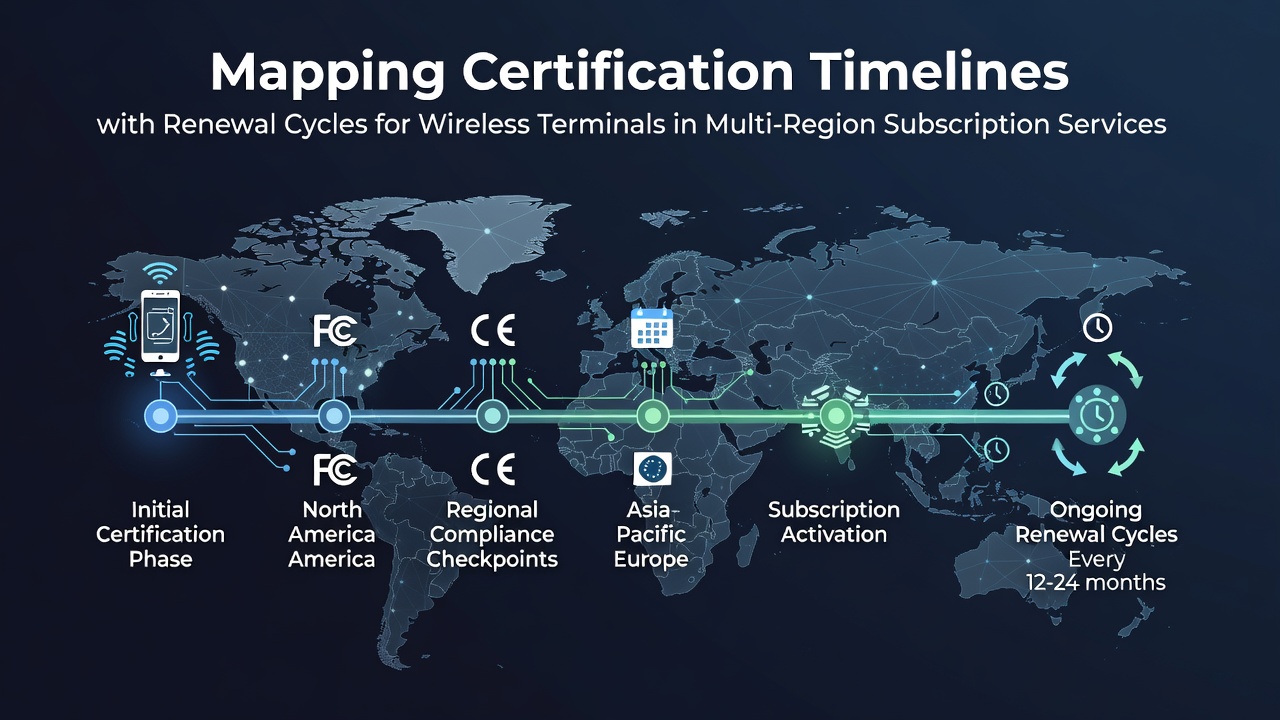
Wireless terminals operating within multi-region subscription services require careful coordination between certification timelines and renewal cycles because each device must satisfy distinct regulatory and security standards that vary by jurisdiction while supporting recurring payment processing across borders. Observers note that these terminals often handle EMV chip transactions, contactless payments, and tokenization protocols simultaneously, which means certification bodies impose staggered validation periods that align with hardware refresh schedules and encryption key updates. Data from industry reports indicate that misalignment between these timelines can interrupt service continuity in subscription models where billing occurs monthly or quarterly across multiple currencies.
Core Elements of Certification Timelines
Certification processes for wireless terminals typically begin with laboratory testing under frameworks established by organizations such as the PCI Security Standards Council, followed by regional approvals from entities like the Federal Communications Commission in the United States or the European Telecommunications Standards Institute in the EU. Researchers have documented that initial certifications usually span three to six months and cover electromagnetic compatibility, payment application security, and firmware integrity before devices enter active deployment. Renewal cycles, by contrast, occur at fixed intervals often set at two or three years depending on the region and must incorporate retesting for any firmware modifications introduced during the subscription service lifecycle.
Those who manage multi-region deployments frequently map these timelines onto a centralized calendar because overlapping renewal windows in markets such as Canada and Australia create resource bottlenecks when teams attempt simultaneous revalidations. Studies reveal that terminals certified under PCI PTS standards require additional scrutiny for wireless communication protocols like Bluetooth and Wi-Fi, and renewal applications must demonstrate ongoing compliance with updated vulnerability assessments issued periodically by global standards bodies.
Integration with Subscription Service Renewal Cycles
Subscription services that rely on wireless terminals coordinate device renewals with billing cycles to minimize downtime, since a terminal undergoing recertification cannot process recurring charges until approvals are secured. Evidence suggests that organizations synchronize encryption key rotations with these renewal dates because key lifecycles mandated by PCI DSS often run parallel to hardware certification periods. In June 2026 several regulatory updates are scheduled to take effect across the EU and Asia-Pacific regions, prompting operators to advance their mapping exercises so that terminals remain operational during the transition.
One study revealed that mapping tools now incorporate automated alerts that flag when a terminal's certification expiration approaches within ninety days of a scheduled subscription renewal batch, allowing teams to initiate retesting early. This approach connects directly to multi-currency authorization sequences because any delay in terminal approval can cascade into failed recurring transactions when currency conversion rules differ between regions.
Regional Variations and Mapping Strategies
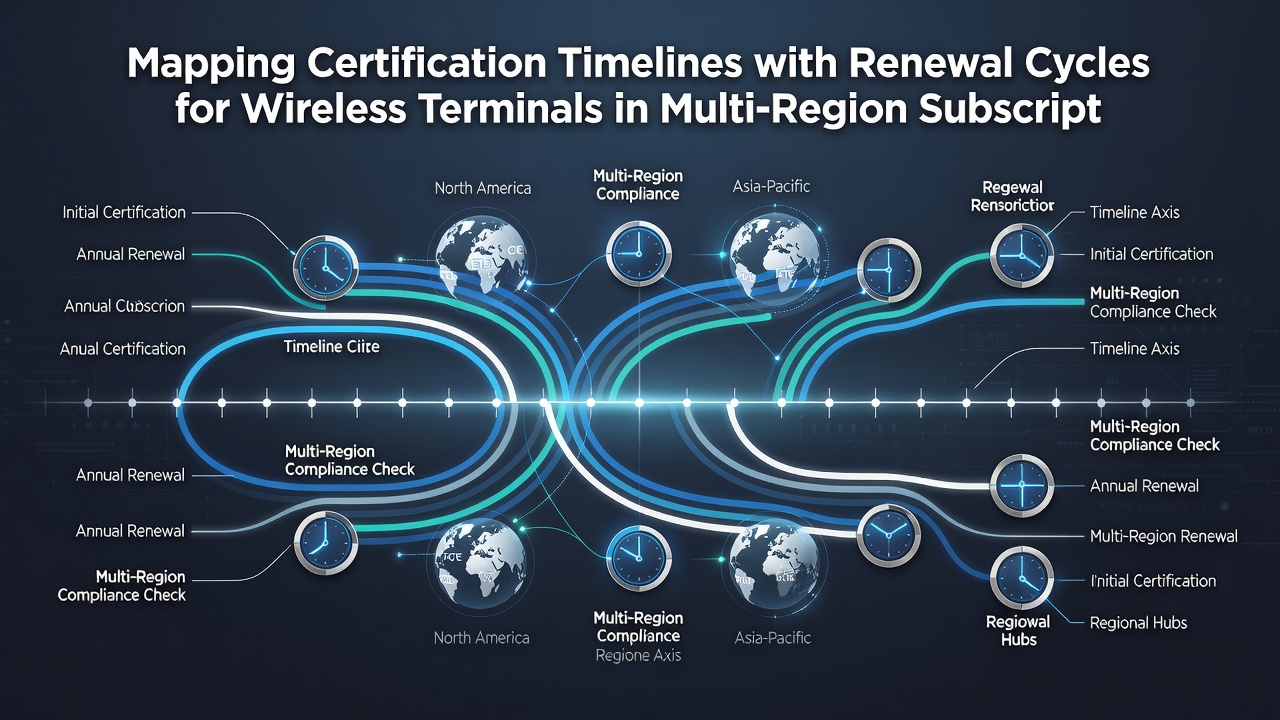
Regulatory landscapes differ markedly between North America, Europe, and Asia, which forces subscription service providers to maintain separate certification tracks for each market while consolidating renewal data into a single oversight system. According to reports from the Bank of Canada, terminals used in cross-border subscription models must also satisfy Canadian wireless spectrum requirements in addition to PCI standards, and renewal applications require evidence of continued compliance with evolving data protection directives. Similar requirements appear in Australian guidelines issued by the Australian Payments Network, where device firmware updates trigger mandatory recertification even if the core payment application remains unchanged.
Experts have observed that successful mapping relies on dependency charts that list every certification milestone alongside corresponding renewal triggers for each region. These charts connect hardware refresh dates with encryption key expiration periods so that a single terminal replacement can satisfy multiple compliance obligations at once. Figures from payment industry analyses show that operators who implement such integrated mapping reduce the average number of separate renewal submissions by approximately thirty percent across multi-region portfolios.
Challenges in Synchronizing Timelines
Wireless terminals face additional complexity because spectrum allocations and security protocols receive periodic revisions that can shorten effective certification validity periods. Data indicates that when a region adopts new wireless standards mid-cycle, providers must accelerate renewal processes to avoid operating non-compliant devices during active subscription billing periods. Those who've studied these patterns note that multi-region setups often encounter conflicts when one jurisdiction demands immediate retesting while another permits grandfathering of existing certifications for an additional twelve months.
Mapping exercises therefore incorporate buffer periods that account for potential delays in laboratory scheduling and regulatory review, ensuring terminals retain valid certifications through at least two consecutive subscription renewal cycles. Research from academic sources on payment systems highlights that this buffer strategy proves especially useful when terminals support both recurring billing and one-time authorizations across fluctuating exchange rates.
Conclusion
Effective mapping of certification timelines with renewal cycles enables wireless terminals to maintain continuous operation within multi-region subscription services by aligning regulatory deadlines with operational schedules. Organizations that apply structured dependency tracking and advance planning around events such as the June 2026 regulatory shifts keep devices compliant while supporting uninterrupted recurring payment flows across jurisdictions. Continued attention to these alignments remains essential as standards evolve and new regions adopt subscription-based models.