Following Digital Trails: Mobile Transactions Flowing into Settlements at Seasonal Outdoor Markets Worldwide
Written by Ines Friedrich · Aug 22, 2026
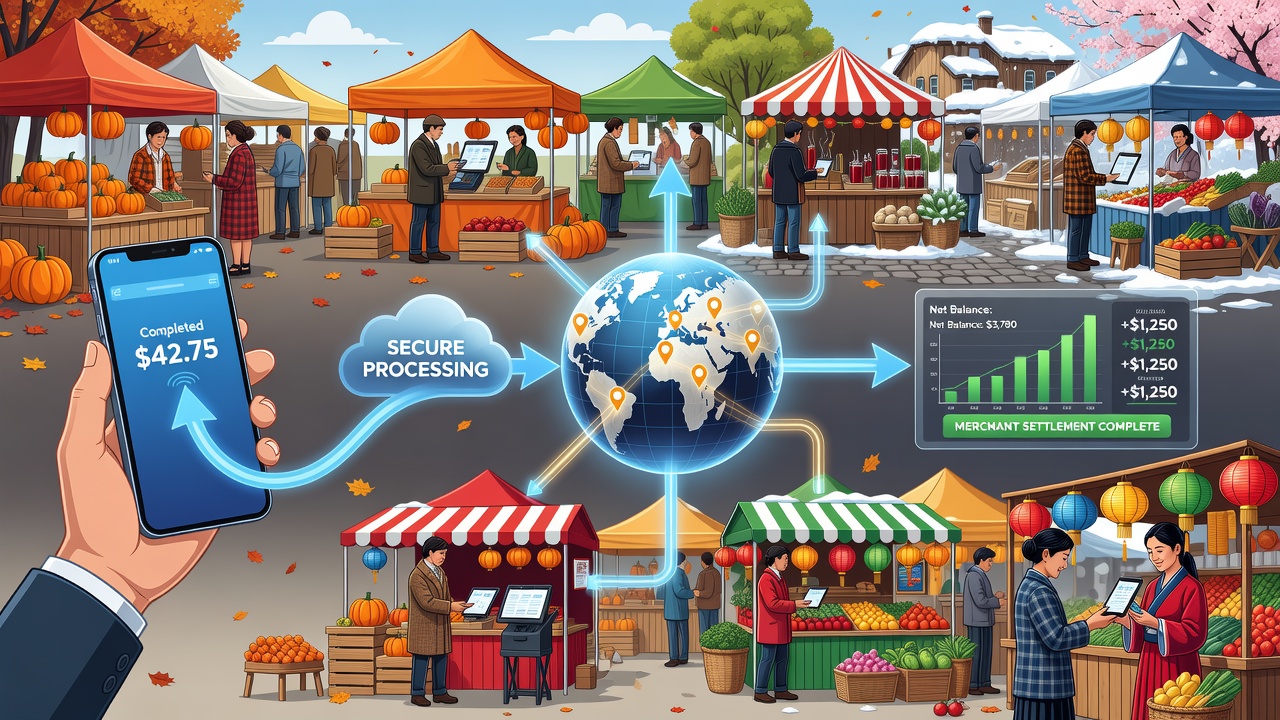
Following Digital Trails: Mobile Transactions Flowing into Settlements at Seasonal Outdoor Markets Worldwide
Seasonal outdoor markets operate across continents where vendors rely on mobile devices to accept payments from customers who tap phones or scan codes at stalls selling fresh produce, crafts, and local goods, and the path those funds take from initial capture through network routing to final deposit in merchant accounts follows defined steps that vary by region yet share core infrastructure elements. Data from payment networks shows these transactions often begin with a customer authorizing a small-value transfer at point-of-sale terminals that connect via cellular or Wi-Fi links even in temporary setups like weekend fairs in rural areas or summer festivals in urban squares.
Transaction Initiation at Temporary Vendor Locations
At the start of each exchange a mobile application or integrated terminal reads card details or digital wallet tokens while simultaneously checking for sufficient funds through authorization requests sent to the issuing bank, and this process occurs in environments where connectivity can fluctuate because vendors set up in open fields or streets without permanent wiring. Observers note that in regions such as parts of North America and Europe these initial requests typically route through payment gateways that encrypt data before forwarding it onward, which helps maintain consistency during high-volume periods like harvest markets that draw crowds in August 2026 when seasonal demand peaks for certain agricultural products.
Routing Through Acquiring Banks and Card Networks
Once authorization clears the funds move into an acquiring bank's holding structure where the merchant's designated processor batches multiple daily transactions for efficiency, and this batching reduces individual transfer fees while allowing reconciliation across different currencies when markets span borders such as those between Canada and the United States or within the European single market. Research from central banking institutions indicates batch files often include metadata on transaction time, location coordinates from the mobile device, and vendor identifiers that later support settlement calculations adjusted for interchange rates and any applicable regional taxes.
Networks like those operated by major card associations then handle the movement of value between the issuer and acquirer through established rails that settle on a net basis at the end of each business day or sometimes on a same-day cycle depending on the agreement in place, and this step proves especially relevant for short-term sellers who rotate between markets in Australia and Southeast Asia where time zone differences affect processing windows.
Reconciliation and Final Merchant Deposits
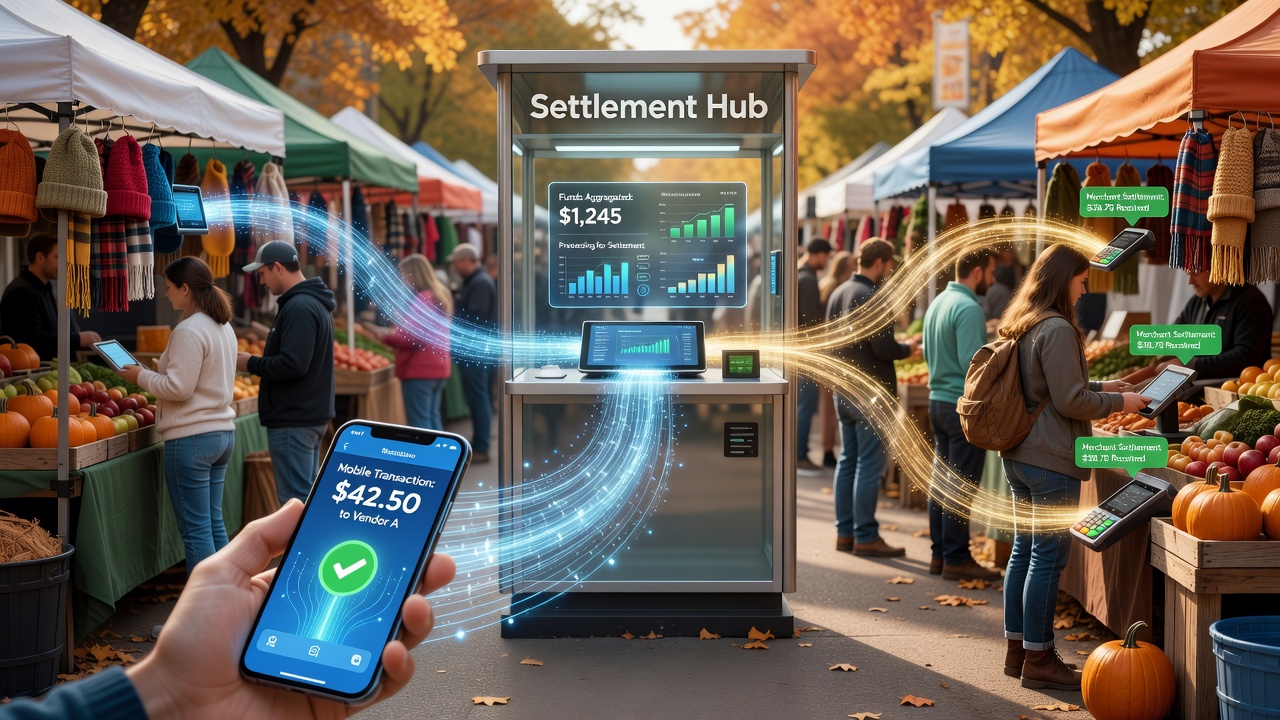
Settlement occurs when the acquiring bank transfers the net amount minus fees to the merchant's bank account, a process that usually completes within one to three business days though some processors offer accelerated options for vendors operating in time-sensitive seasonal windows, and studies compiled by academic researchers at institutions focused on financial systems have tracked how these timelines align with local banking hours across jurisdictions. In practice the ledger alignment requires matching sales logs captured at the stall with incoming transfers so discrepancies from declined authorizations or chargeback holds surface early through automated reporting tools that vendors access via mobile dashboards.
Those who manage temporary market operations across multiple countries often coordinate with processors that support multi-currency accounts, which convert and hold funds until withdrawal requests trigger final transfers, and figures from industry reports reveal that such setups help reduce currency conversion losses when markets operate near international borders where customers pay in mixed denominations.
Regulatory and Operational Variations Across Regions
Regulatory frameworks influence each stage because data protection rules in the European Union require explicit consent mechanisms during mobile captures while similar standards in Canada emphasize secure storage of transaction records for audit purposes, and vendors moving between these areas must adapt their devices accordingly to meet both sets of requirements without interrupting daily flows. Government sources including publications from the Bank of Canada outline how portable terminal certifications tie into broader payment system stability, ensuring that temporary setups at outdoor events maintain the same security baselines as fixed retail locations.
Additional oversight comes from organizations tracking cross-border commerce, with data compiled through Reserve Bank of Australia analyses showing settlement patterns for seasonal vendors that mirror those seen in North American counterparts yet incorporate local tax reporting at the point of fund release.
Conclusion
The complete journey from a mobile tap at a seasonal stall to credited merchant funds therefore encompasses authorization, network routing, batch settlement, and final deposit steps that adapt to regional rules while relying on shared global infrastructure, and ongoing updates in terminal technology continue to refine these pathways for vendors operating across shifting market locations.