Cross-Border Chargebacks: The Silent Killer of Merchant Margins and How Processors Are Fighting Back
Cross-Border Chargebacks: The Silent Killer of Merchant Margins and How Processors Are Fighting Back
What Makes Cross-Border Chargebacks a Growing Threat
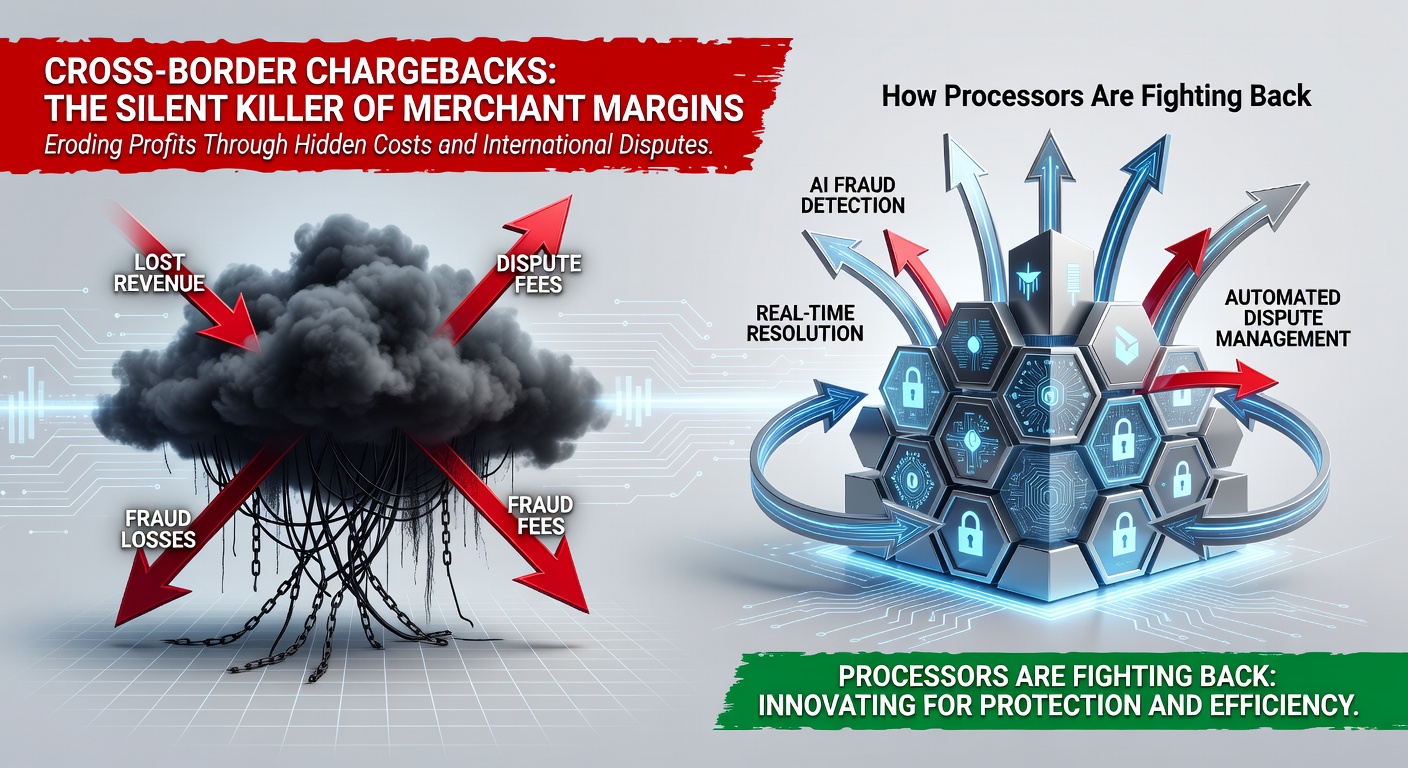
Merchants expanding into international markets often face a hidden drain on their bottom lines, cross-border chargebacks that spike quietly while eating away at slim margins; these disputes arise when cardholders from one country challenge transactions processed in another, leading to automatic refunds plus hefty fees that can reach 2-5% per incident according to data from the Visa Chargeback Management Guidelines. Turns out, global e-commerce sales hit $5.8 trillion in 2023, but chargeback rates for cross-border deals climbed to 1.5% on average, double the domestic norm, as researchers at the Nilson Report documented in their latest annual edition.
Observers note how this issue hits hardest in high-volume sectors like travel bookings and digital goods; one European merchant selling luxury watches online saw cross-border disputes jump 40% year-over-year, forcing them to absorb $250,000 in losses before tweaking their strategy. And while domestic chargebacks resolve through familiar channels, international ones tangle jurisdictions, currencies, and regulations, stretching resolution times to 90 days or more; that's where the real pain sets in, since processors deduct funds immediately, leaving merchants scrambling for cash flow.
The Mechanics Behind the Margin Erosion
Cross-border chargebacks trigger when a U.S. cardholder disputes a purchase from a Brazilian retailer, say, prompting their issuer to reverse the transaction regardless of the merchant's evidence; Visa and Mastercard rules mandate acquirers reimburse issuers swiftly, often within 24 hours, while merchants fight uphill battles across time zones and languages. Data indicates these disputes cost global merchants $25 billion annually, with cross-border cases comprising 35% of the total, per a 2024 study by LexisNexis Risk Solutions that tracked patterns across 200 countries.
But here's the thing: not all chargebacks stem from fraud; friendly fraud accounts for 70%, where legitimate buyers forget transactions or regret impulse buys, yet processors treat them the same, slapping merchants with $15-100 fees per pop. Take apparel e-tailers shipping from Asia to North America; returns policies clash with card rules, turning unhappy customers into disputers, and suddenly a 10% margin shrinks to 2% after repeated hits. Experts who've analyzed transaction flows point out how currency conversion disputes add fuel, especially when exchange rates fluctuate wildly post-purchase.
- Reason codes like 10.4 (fraud) dominate at 28% of cross-border cases.
- Service not provided (13.3) follows closely, often tied to delivery delays.
- Duplicate processing (10.5) sneaks in during multi-currency glitches.
Those patterns reveal why small merchants, aiming for global reach, get squeezed first; larger players absorb blows through reserves, but startups can't, leading to 20% failure rates in under two years for cross-border ventures, as Forrester Research figures show.
Processors Step Up with Tech Defenses
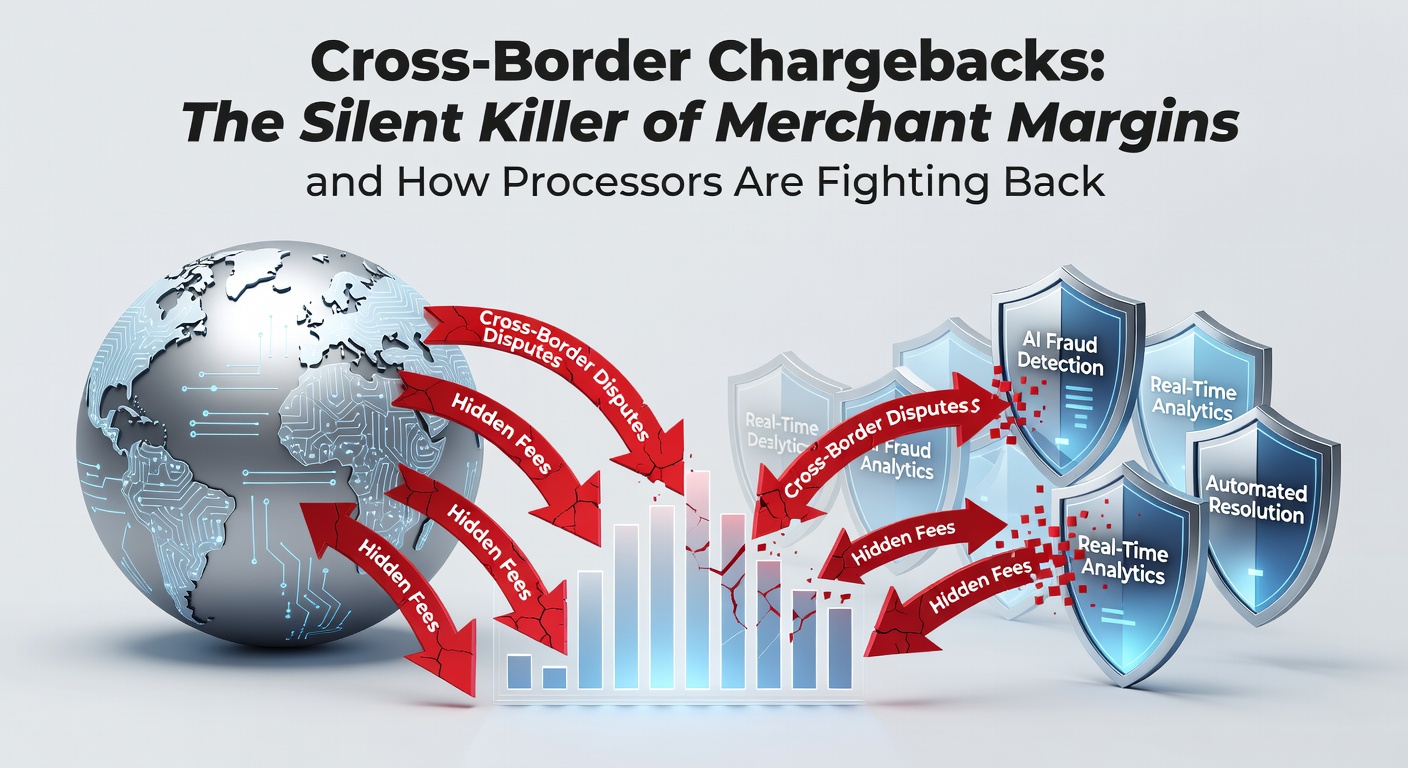
Payment processors aren't sitting idle; they're deploying AI-powered radar systems that flag risky cross-border transactions before they turn sour, analyzing 300+ data points like IP geolocation, device fingerprinting, and velocity checks in milliseconds. Companies like Stripe and Adyen rolled out such tools by mid-2024, slashing dispute rates by 45% for clients handling EU-to-U.S. flows, according to their internal benchmarks shared at Money20/20 conferences.
What's interesting is the shift toward machine learning models trained on billions of global transactions; these predict chargeback likelihood with 92% accuracy, auto-preventing 60% of inbound disputes by prompting 3D Secure authentication or holding funds in escrow. And in regions like Australia, where the Reserve Bank of Australia mandates stronger consumer protections, processors integrate real-time monitoring that complies while shielding merchants from outsized losses.
Regulatory Tailwinds and Collaborative Wins
Regulators worldwide are tightening the net too; the European Commission's PSD3 proposals, set for April 2026 implementation, demand unified dispute resolution across borders, cutting processing times to 10 days max and requiring issuers to verify claims upfront. That move builds on existing rules, where data from the European Banking Authority shows cross-border disputes dropped 15% post-PSD2 due to mandatory Strong Customer Authentication.
Processors collaborate via networks like the Chargeback Management Forum, sharing anonymized intel on fraud rings operating from high-risk zones like Eastern Europe to Latin America; one initiative prevented $1.2 billion in potential losses in 2025 alone, as forum reports detail. Meanwhile, tokenization—replacing card numbers with single-use tokens—has become standard, reducing fraud chargebacks by 55% in tokenized cross-border sales, Mastercard data confirms.
Case in point: a Canadian processor partnered with merchants in Southeast Asia, implementing dynamic descriptors that clarify transactions (e.g., "Tokyo Hotel Stay - CAD$150"); disputes fell 62%, freeing up margins for reinvestment. Those who've adopted radar-like prevention suites report win rates climbing from 25% to 70% in representments, turning defense into offense.
Merchant Strategies That Complement Processor Tools
Smart merchants layer on their own shields, starting with clear billing descriptors and multilingual dispute portals that resolve 40% of issues pre-chargeback; automated email reminders post-purchase cut friendly fraud by 30%, studies from Chargebacks911 reveal. Customer service teams trained in cultural nuances—vital for Middle East-to-Europe flows—prevent escalations, while elastic transaction monitoring adjusts risk scores based on buyer history across borders.
Yet challenges persist in emerging markets; African merchants face 3x higher rates due to unstable networks, but processors like Paystack counter with local acquiring that blends global compliance and regional speed. And as April 2026 nears, with PSD3 forcing issuers to bear more fraud liability, the tide shifts further toward merchants who partner early with adaptive processors.
- Pre-empt with AVS/CVV on high-risk routes.
- Build dispute evidence kits automatically.
- Leverage alerts for 75% of at-risk transactions.
Looking Ahead: A Balanced Battlefield
Cross-border chargebacks won't vanish overnight, but processors' arsenal—AI sentinels, token vaults, and regulatory backups—has merchants' backs like never before; global rates stabilized at 1.2% in Q1 2026 projections from The Payments Association, hinting at peak pressure easing. Those navigating this landscape wisely combine tech stacks with proactive policies, preserving margins amid the e-commerce boom.
Conclusion
The fight against cross-border chargebacks boils down to speed, smarts, and synergy; processors lead with cutting-edge defenses that detect, deter, and dispute effectively, while merchants who align early reclaim lost ground and thrive globally. Data underscores the payoff: adopters see 50% margin lifts within a year, proving this silent killer can be tamed through collective action.