Chargeback Mitigation Strategies Through Advanced Scoring in Gateway Systems for Worldwide Subscription Merchants
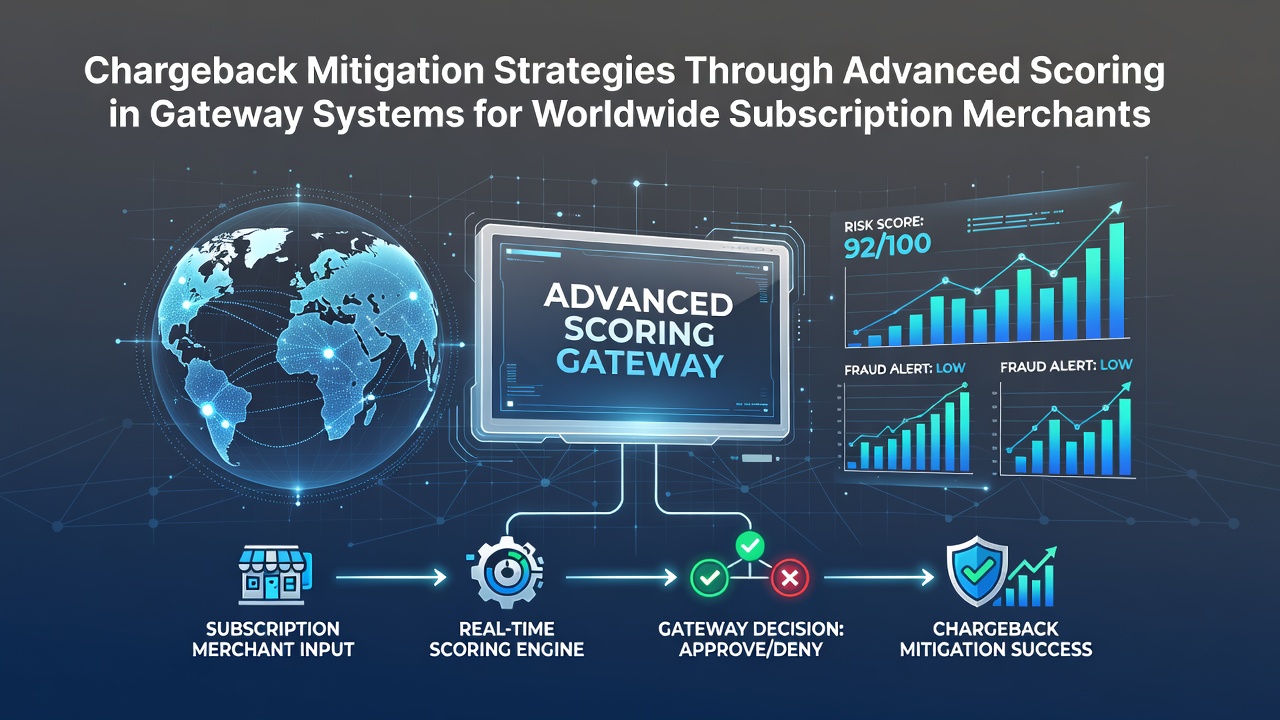 Payment gateways now deploy layered scoring systems that evaluate each recurring transaction against dozens of variables before authorization occurs. These models combine historical merchant data, customer behavior patterns, and device signals to assign risk scores that determine whether a charge proceeds or triggers additional verification. Subscription merchants operating across borders rely on this approach because recurring billing creates predictable patterns that fraudsters often exploit through stolen credentials or friendly fraud claims. Advanced scoring integrates velocity checks that track how many subscriptions activate from a single IP address within short windows, while cross-referencing account age and prior dispute history. Gateways update these parameters continuously as new chargeback data flows back from card networks. In practice, a score above a merchant-defined threshold routes the transaction through step-up authentication or declines it outright, which reduces the overall dispute rate before funds ever settle.
Core Components of Gateway Scoring Models
Machine learning algorithms form the backbone of these systems, training on anonymized transaction sets that include successful payments alongside disputed ones. Features such as billing address mismatches, card BIN geographic origin, and time-of-day patterns feed into neural networks that output probability percentages rather than binary flags. Subscription platforms benefit because the models recognize legitimate churn signals like address changes during renewals versus sudden spikes in high-value sign-ups from new regions.
Real-time API calls between gateways and external data providers supplement internal scoring with device fingerprinting and email reputation checks. Observers note that gateways serving global merchants often layer in currency fluctuation data and local holiday calendars, since unusual purchase timing in one market can appear suspicious when viewed against another. These combined signals allow systems to adjust thresholds dynamically without manual intervention from the merchant side.
Application to Multi-Region Subscription Operations
Worldwide merchants encounter varying regulatory requirements that affect how scoring thresholds apply during renewals. Systems must accommodate PSD2 strong customer authentication rules in Europe while maintaining smoother flows for markets without equivalent mandates. Gateways handle this by maintaining region-specific rule sets that feed into a unified scoring engine, ensuring compliance without fragmenting the merchant's view of overall risk exposure.
Data from payment processors shows that subscription businesses using these integrated models report lower chargeback ratios compared to those relying solely on basic AVS checks. The improvement stems from early identification of accounts that exhibit rapid escalation in usage followed by abrupt disputes, a pattern common in credential-testing attacks. Merchants integrate these insights through dashboard alerts that flag cohorts requiring manual review before the next billing cycle processes.
Operational Adjustments for June 2026 Updates
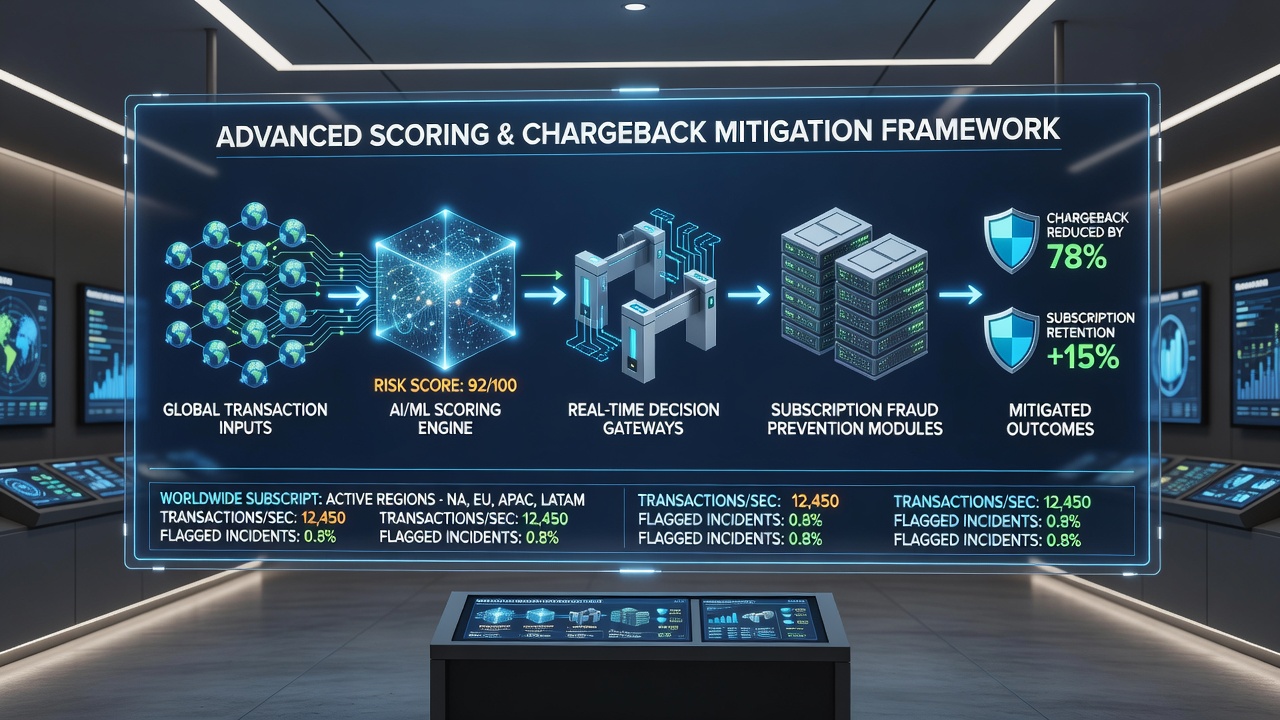
Network rule changes scheduled for June 2026 introduce new liability shifts around recurring transactions that lack recent authentication events. Gateways have already begun incorporating forward-looking parameters into scoring engines to prepare merchants for these adjustments. Subscription providers receive automated recommendations on when to trigger re-authentication based on accumulated risk points rather than fixed time intervals.
Those who've studied gateway implementations across multiple platforms find that hybrid models combining rule-based filters with adaptive learning deliver the most stable performance during regulatory transitions. These systems maintain baseline protections while retraining on fresh dispute outcomes, which keeps false positive rates manageable even as transaction volumes scale internationally.
Integration Patterns Observed Across Merchant Types
Take one enterprise that expanded subscription services into three new markets last year and observed immediate benefits after enabling full scoring capabilities in its primary gateway. The platform began surfacing granular reports that linked specific decline codes to downstream chargeback likelihood, allowing finance teams to refine retry logic and customer communication sequences. Similar patterns appear in mid-sized operations where scoring reduced manual review queues by routing only the highest-risk renewals for human assessment.
Industry reports from organizations such as the Federal Reserve highlight how data-driven authorization decisions correlate with improved margin retention for recurring revenue models. Merchants combine these external benchmarks with their internal gateway analytics to set scoring cutoffs that align with acceptable customer friction levels across different product categories.
Conclusion
Advanced scoring within gateway infrastructure provides subscription merchants with measurable tools to address chargeback exposure at scale. By processing diverse data inputs through adaptive models, gateways deliver authorization decisions that account for both fraud patterns and legitimate usage variations across global markets. Continued refinement of these systems supports compliance with evolving network requirements while preserving revenue flow for merchants who operate recurring billing at international volumes.