Behind the Screens: Coordination Tactics for Credit Card Processing in Event-Driven Merchant Setups Worldwide
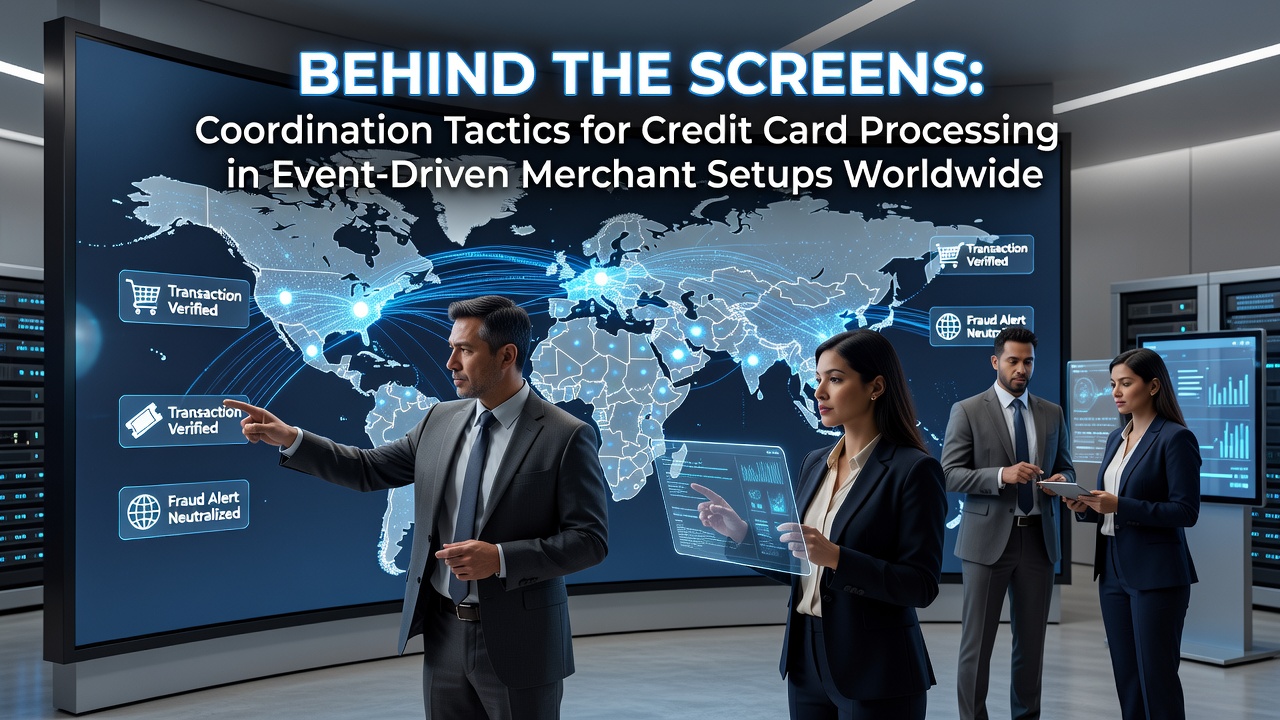
Event-driven merchant setups require precise coordination between payment processors, local networks, and regulatory frameworks to handle credit card transactions at temporary locations such as festivals, trade shows, and pop-up markets across different countries. These arrangements often span multiple jurisdictions where timing of authorizations, data routing, and compliance checks must align with event schedules that can last from a few hours to several weeks.
Core Synchronization Methods in Temporary Merchant Environments
Processors establish dedicated API endpoints that activate only during designated event windows, allowing real-time transaction routing while maintaining separation from permanent merchant accounts. Data packets carrying authorization requests travel through encrypted channels that prioritize low-latency paths, which becomes essential when vendors operate wireless terminals in areas with fluctuating network coverage. Observers note that successful setups frequently incorporate redundant failover routes so that a single regional outage does not halt processing for the entire event.
Account provisioning sequences follow structured timelines that begin weeks before the event opens. Merchants submit documentation through centralized portals that feed directly into processor databases, triggering automated compliance reviews against lists maintained by regional authorities. In July 2026, several large outdoor festivals in Europe and Asia reported using these pre-event provisioning windows to complete verification steps at least 14 days ahead of opening day, reducing on-site delays.
Cross-Border Data Routing and Timing Protocols
International events demand careful mapping of currency conversion points and settlement schedules so that funds reach vendors in their preferred accounts without extended holds. Processors coordinate batch cut-off times with local banking hours across time zones, ensuring that transactions initiated during evening hours in one region clear before teh next business day begins elsewhere. Researchers at institutions such as the European Central Bank have documented how staggered batch releases help stabilize liquidity for short-term vendors who rely on daily reconciliations.

Hardware certification cycles align with event calendars through shared databases that track terminal firmware versions and encryption standards required in each host country. When vendors move equipment between regions, processors issue updated configuration files that download automatically upon first connection to local networks, minimizing manual intervention at crowded sites.
Regulatory Alignment Across Jurisdictions
Event organizers often partner with processors who maintain compliance teams familiar with varying data protection rules, including those enforced by the Australian Competition and Consumer Commission and similar bodies in North America. These teams verify that transaction logs remain accessible for audit periods specified in each location while still allowing rapid deletion of unnecessary records once events conclude. Coordination extends to tax reporting modules that generate jurisdiction-specific summaries for vendors operating across borders during a single gathering.
Network operators schedule maintenance windows outside peak event hours, using predictive analytics drawn from historical attendance data to forecast transaction volumes. This approach prevents system strain during high-traffic periods and supports consistent authorization response times even when thousands of terminals connect simultaneously.
Operational Examples from Recent Global Events
One study of a multi-country music tour in 2025 revealed that processors who pre-loaded merchant profiles into regional gateways achieved faster onboarding compared with those relying on day-of-event registrations. The same report highlighted how shared dashboards allowed organizers to monitor approval rates across continents without exposing individual transaction details. Similar patterns appeared at large agricultural fairs in Canada, where portable terminals required daily encryption key refreshes coordinated through central servers to satisfy provincial standards.
Those managing logistics for recurring annual events have adopted standardized checklists that cover terminal inventory, certificate expiration dates, and settlement account verification, all stored in cloud repositories accessible to both merchants and processors. These checklists reduce last-minute adjustments and support smoother handoffs when equipment transfers between different event sites.
Conclusion
Coordination tactics in event-driven credit card processing rely on layered planning that connects account setup, data routing, hardware certification, and regulatory checks into a single operational timeline. As global events continue to draw vendors from multiple regions, the ability to synchronize these elements determines whether temporary merchant operations run without interruption. Processors that maintain flexible yet structured frameworks continue to support the expanding range of short-term commercial activities worldwide.