Aligning POS Data Streams with PCI Standards in Preventing Fraud for Global Subscription Models
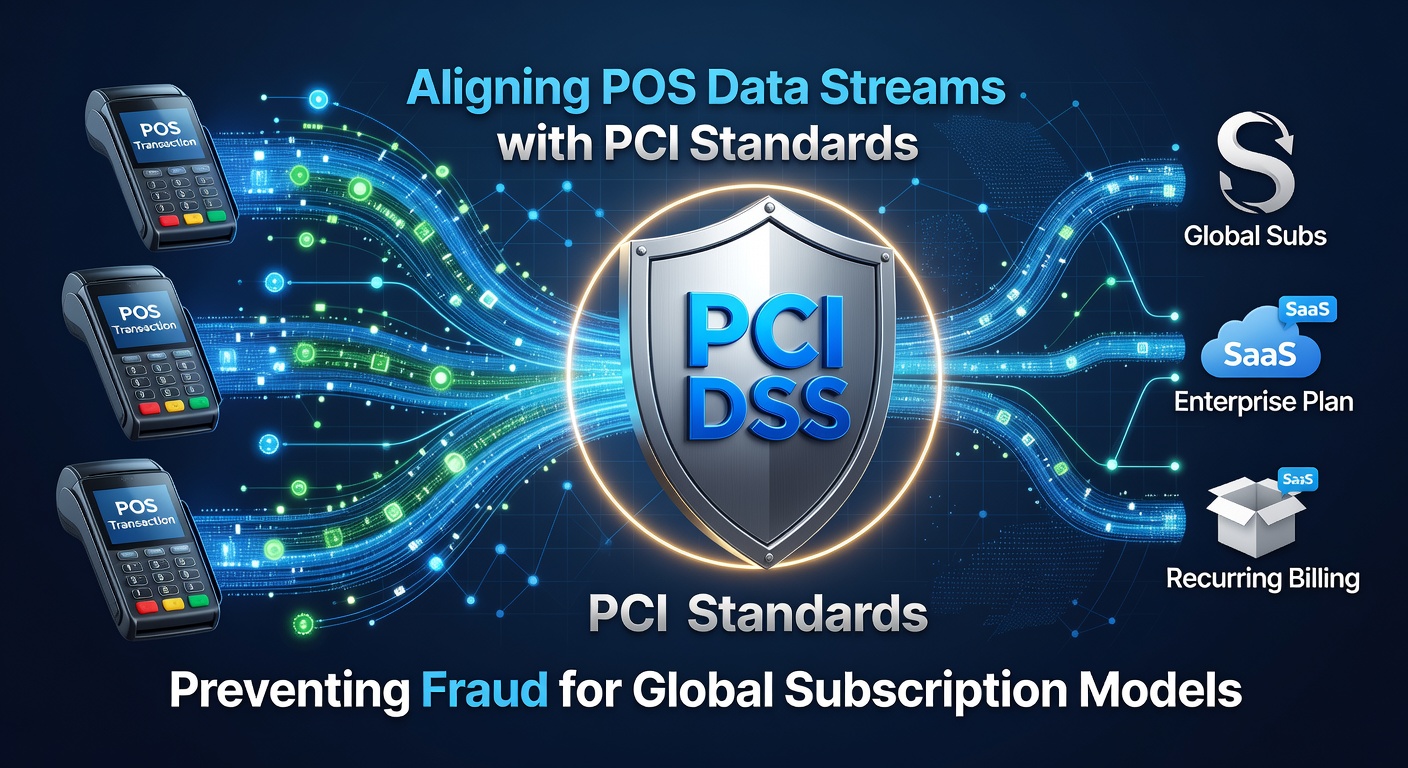
Point of sale systems generate continuous data streams that capture transaction details, customer identifiers, and recurring billing information, and when these streams feed into global subscription models the alignment with PCI DSS requirements becomes essential for maintaining secure payment flows across borders. Subscription services often rely on repeated authorizations that pull from the same card data, which creates opportunities for interception if the underlying streams do not meet encryption and access control mandates set by the PCI Security Standards Council.
Core Components of Data Stream Alignment
Global subscription platforms collect payment information through fixed terminals, mobile devices, and integrated software that must route every authorization request through channels protected by PCI compliant segmentation, and this process requires mapping each data element to specific controls such as network isolation and logging protocols. Observers note that misalignment often occurs when legacy POS hardware transmits untokenized cardholder data alongside subscription metadata, exposing fields that PCI DSS 4.0 addresses through mandatory encryption at rest and in transit. Researchers have documented cases where synchronized streams allowed real-time validation against known fraud indicators without storing sensitive primary account numbers beyond the permitted window.
Regulatory Context and Geographic Variations
Payment processors operating across multiple jurisdictions must reconcile PCI DSS with regional mandates, and data from the PCI Security Standards Council shows that organizations handling recurring payments face heightened scrutiny when card data crosses from one regulatory zone to another. In May 2026 several updates to testing procedures for wireless POS environments are scheduled to take effect, requiring subscription providers to demonstrate that data streams maintain integrity during high-volume billing cycles. European regulators have introduced supplementary guidelines that complement PCI controls by mandating additional monitoring of cross-border subscription renewals, whereas Canadian authorities emphasize audit trails that link each POS transaction to the original consent record.
Fraud Vectors Specific to Subscription Data Flows
Subscription models attract fraud attempts that exploit recurring authorization patterns, including account takeover schemes that reuse captured credentials across multiple billing periods, and POS data streams become the entry point when terminals fail to enforce dynamic authentication for each renewal. Studies indicate that aligning these streams with PCI requirements reduces exposure by enforcing point-to-point encryption and restricting access to cardholder data to only those systems with documented business need. Analysts have tracked instances where subscription platforms that failed to segment POS traffic from general network resources experienced elevated rates of unauthorized renewals, prompting immediate remediation under PCI reporting timelines.
Implementation Practices Across Regions
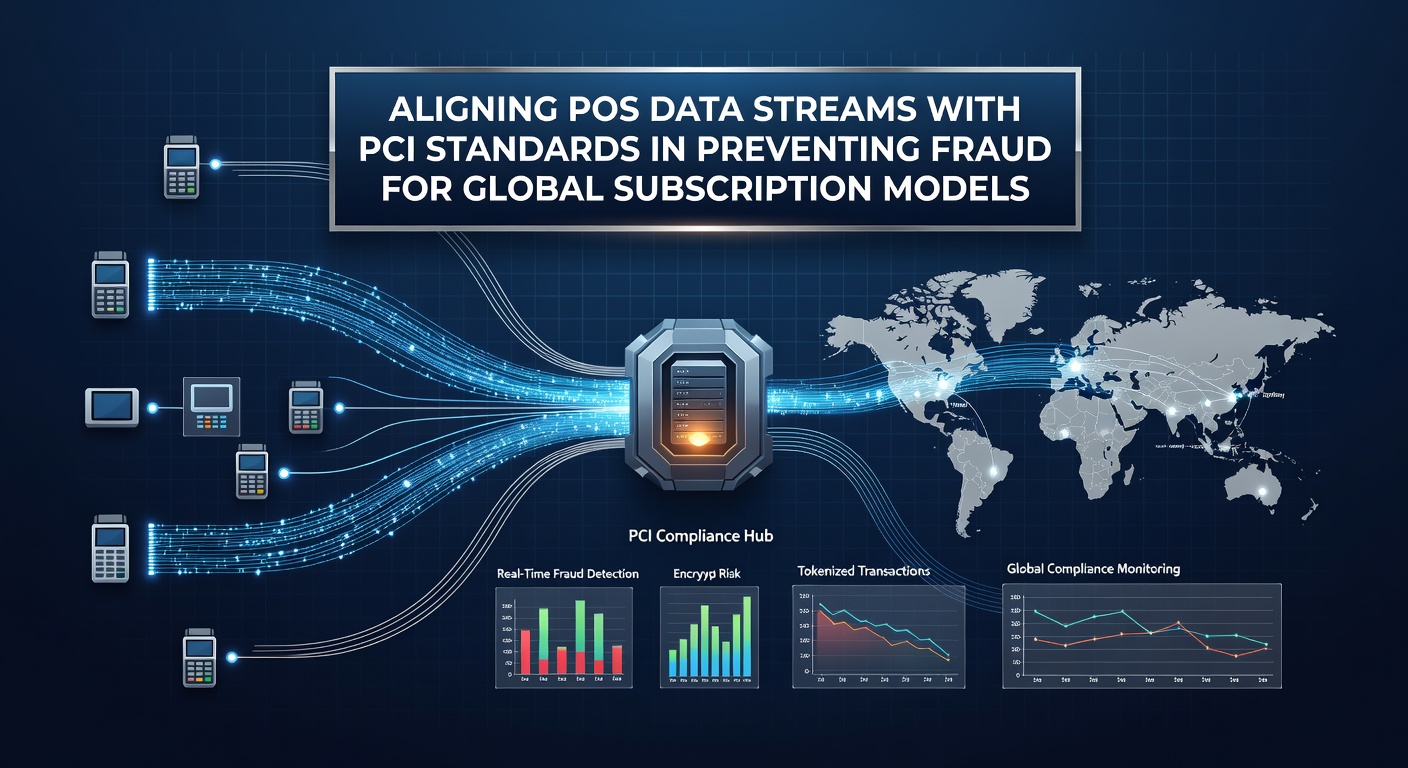
Merchants in the Asia-Pacific region have adopted centralized logging platforms that aggregate POS events from multiple currencies while preserving PCI scope boundaries, and this approach allows subscription providers to correlate billing anomalies with terminal activity without expanding the cardholder data environment. North American operators frequently integrate POS middleware that performs real-time field-level validation against PCI DSS requirements before data reaches the subscription management layer, which limits the retention of full card details during the authorization sequence. Those who have examined implementation records find that consistent application of these controls correlates with lower dispute volumes in recurring payment portfolios.
Technical Mechanisms for Stream Integrity
Encryption key management plays a direct role in keeping POS data streams compliant, and global subscription systems must rotate keys according to documented schedules while ensuring that each terminal continues to transmit only protected payloads. Access control lists tied to specific user roles prevent unauthorized personnel from viewing raw transaction streams, satisfying both PCI DSS and local data protection statutes. Monitoring solutions that flag deviations in data volume or timing have proven effective at identifying potential fraud before it propagates through recurring billing cycles.
Conclusion
Aligning POS data streams with PCI standards provides a structured framework that subscription providers use to limit fraud exposure across international markets, and the combination of encryption, segmentation, and continuous monitoring creates measurable reductions in unauthorized activity. Organizations that maintain this alignment report fewer incidents involving compromised recurring payments, while regulatory bodies continue to refine expectations for data handling in multi-jurisdictional environments. The practices described here reflect documented approaches that have been validated through industry audits and compliance assessments.